

Whatever the Reason, Whatever the Season...
YOU CAN COUNT ON SMYLIE ONE
Home » Lyndhurst Heat Pump Installation Company
───
Lyndhurst Heat Pump Installation Company
If you’re looking for a Lyndhurst heat pump installation company, Smylie One offers professional installation services designed to improve year-round home comfort and energy efficiency. Heat pumps are a smart solution for both heating and cooling, providing consistent temperature control while helping reduce energy use compared to traditional HVAC systems. Our experienced technicians help homeowners select the right system for their home’s size and needs, ensuring proper installation for optimal performance and long-term reliability. From removing old equipment to setting up and testing your new system, Smylie One focuses on quality workmanship and dependable service. For trusted heat pump installation in Lyndhurst, homeowners can rely on Smylie One for efficient, modern comfort solutions.
───
Lyndhurst Heat Pump Installation Company
If you’re looking for a Lyndhurst heat pump installation company, Smylie One offers professional installation services designed to improve year-round home comfort and energy efficiency. Heat pumps are a smart solution for both heating and cooling, providing consistent temperature control while helping reduce energy use compared to traditional HVAC systems. Our experienced technicians help homeowners select the right system for their home’s size and needs, ensuring proper installation for optimal performance and long-term reliability. From removing old equipment to setting up and testing your new system, Smylie One focuses on quality workmanship and dependable service. For trusted heat pump installation in Lyndhurst, homeowners can rely on Smylie One for efficient, modern comfort solutions.
Most Common Heat Pump Problems
Insufficient Cooling
If your heat pump struggles to maintain the set temperature, it may be due to low refrigerant or a dirty filter that prevents proper switching between heating and cooling modes.
Strange Noises
Grinding, rattling, or squealing sounds can indicate loose parts, motor issues, or debris in the outdoor unit. These noises often signal mechanical wear that needs attention.
Frozen Outdoor Unit
Ice buildup on the outdoor coil can occur in winter when the defrost cycle fails or airflow is restricted. This can reduce efficiency and eventually stop the system from working properly.
Poor Airflow
Weak airflow from vents is often caused by dirty filters, blocked ducts, or a failing blower motor. Reduced airflow makes it harder for the system to heat or cool effectively.
Short Cycling
When the system turns on and off too frequently, it may be caused by an oversized unit, thermostat issues, or electrical problems. This increases wear and reduces efficiency.
Refrigerant Leak
Low refrigerant levels reduce the system’s ability to transfer heat efficiently. This often leads to poor performance, ice formation, and higher energy bills, and requires professional repair.
───
Heat Pump vs Air Conditioner: Which Saves More Money?
When comparing a heat pump vs an air conditioner in terms of energy savings, heat pumps often come out ahead for year-round efficiency. While both systems provide similar cooling performance in the summer, a heat pump has the added advantage of also providing heating by transferring heat rather than generating it, which can significantly reduce winter energy costs compared to electric resistance or furnace heating. In moderate climates, this dual-function efficiency can lead to lower overall utility bills throughout the year. However, in very cold climates, efficiency can decrease, and supplemental heat may be needed, which can impact savings. Air conditioners, on the other hand, are typically paired with separate heating systems, so while they may be efficient at cooling, they don’t offer the same year-round energy savings potential. The most cost-effective choice depends on your local climate, home insulation, and existing heating setup.
───
Heat Pump vs Air Conditioner: Which Saves More Money?
When comparing a heat pump vs an air conditioner in terms of energy savings, heat pumps often come out ahead for year-round efficiency. While both systems provide similar cooling performance in the summer, a heat pump has the added advantage of also providing heating by transferring heat rather than generating it, which can significantly reduce winter energy costs compared to electric resistance or furnace heating. In moderate climates, this dual-function efficiency can lead to lower overall utility bills throughout the year. However, in very cold climates, efficiency can decrease, and supplemental heat may be needed, which can impact savings. Air conditioners, on the other hand, are typically paired with separate heating systems, so while they may be efficient at cooling, they don’t offer the same year-round energy savings potential. The most cost-effective choice depends on your local climate, home insulation, and existing heating setup.
Schedule Appointment
─── Smylie One Blog
Your Source for Heating, Cooling & Plumbing Tips
Home maintenance doesn’t have to be boring. We’re here to bring you all the tips and tricks to make your home more comfortable, reliable and energy efficient.

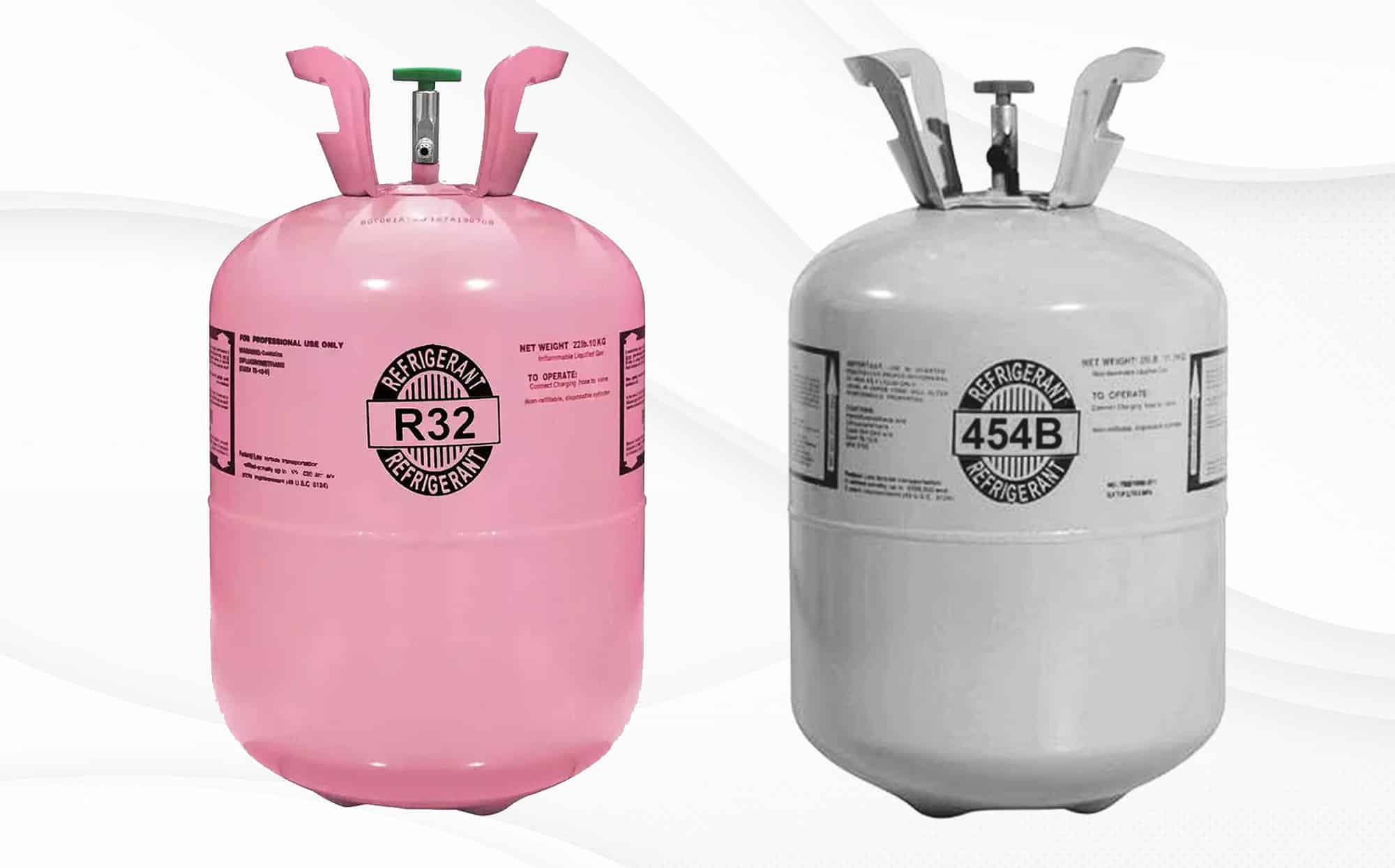
The 2025 HVAC Refrigerant Changes: What You Need to Know About the New Government Mandates
The primary driver behind the 2025 refrigerant changes is the ongoing effort to reduce greenhouse gas emissions and combat climate change.
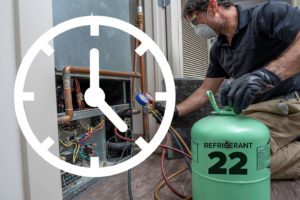
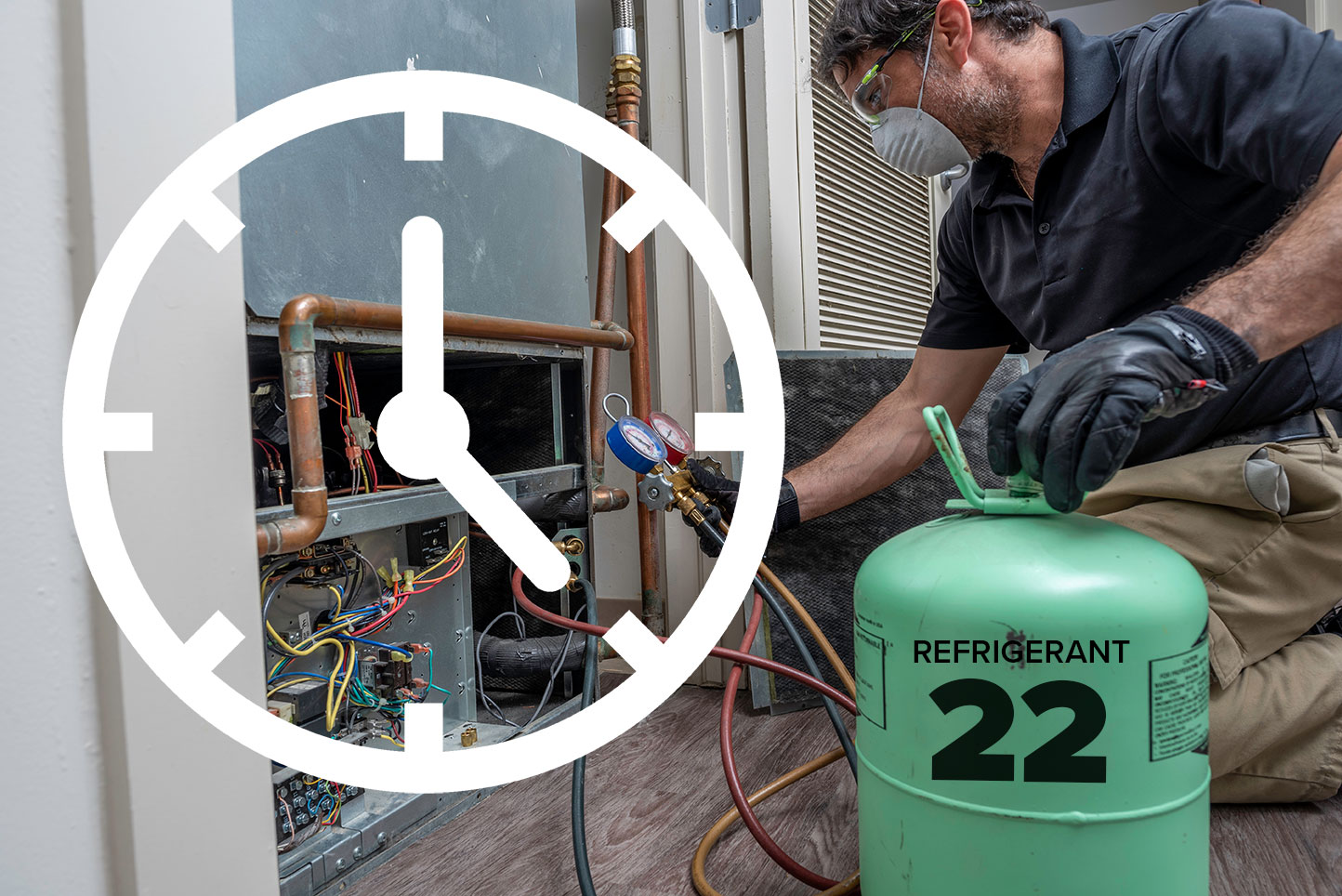
R-22 Has Been Phased Out, But Smylie One Can Help You With Your Refrigerant Needs
In January of 2020, the Environmental Protection Agency ruled that R22, or freon, was to be phased out of the HVAC industry due to its